About Nichola Hand, Podcast Development Coach
Helping purpose-led creators with podcast strategy, episode writing, guest research and interview coaching.
I have always been drawn to what sits beneath the words.
Not only what someone is saying, but what they are really trying to communicate. Not only the story they have already told many times, but the part of it that still holds something deeper. And not only the topic of a podcast episode, but the real question sitting inside it.
That is really the heart of the work I now do as a podcast development coach.
I help purpose-led podcasters understand who they are speaking to, shape stronger episodes, write in a way that still sounds like them and create interviews that feel thoughtful, honest and genuinely human.
I did not set out with a plan to become a podcast coach. I arrived here through creating my own podcast and realising that the part I loved most was not simply the recording itself. It was everything that happened before I ever pressed record.
When I first started The Four Pillars of Healing podcast, I honestly thought the technology would be the biggest challenge. And there was definitely plenty to learn. Recording platforms, audio settings, video, editing, publishing, titles, descriptions, clips... there were moments where something that seemed incredibly simple to everyone else felt anything but simple to me.
But as I worked my way through it, I began to understand that the technology was only one part of creating a strong podcast.
The deeper work was in developing the episode itself.
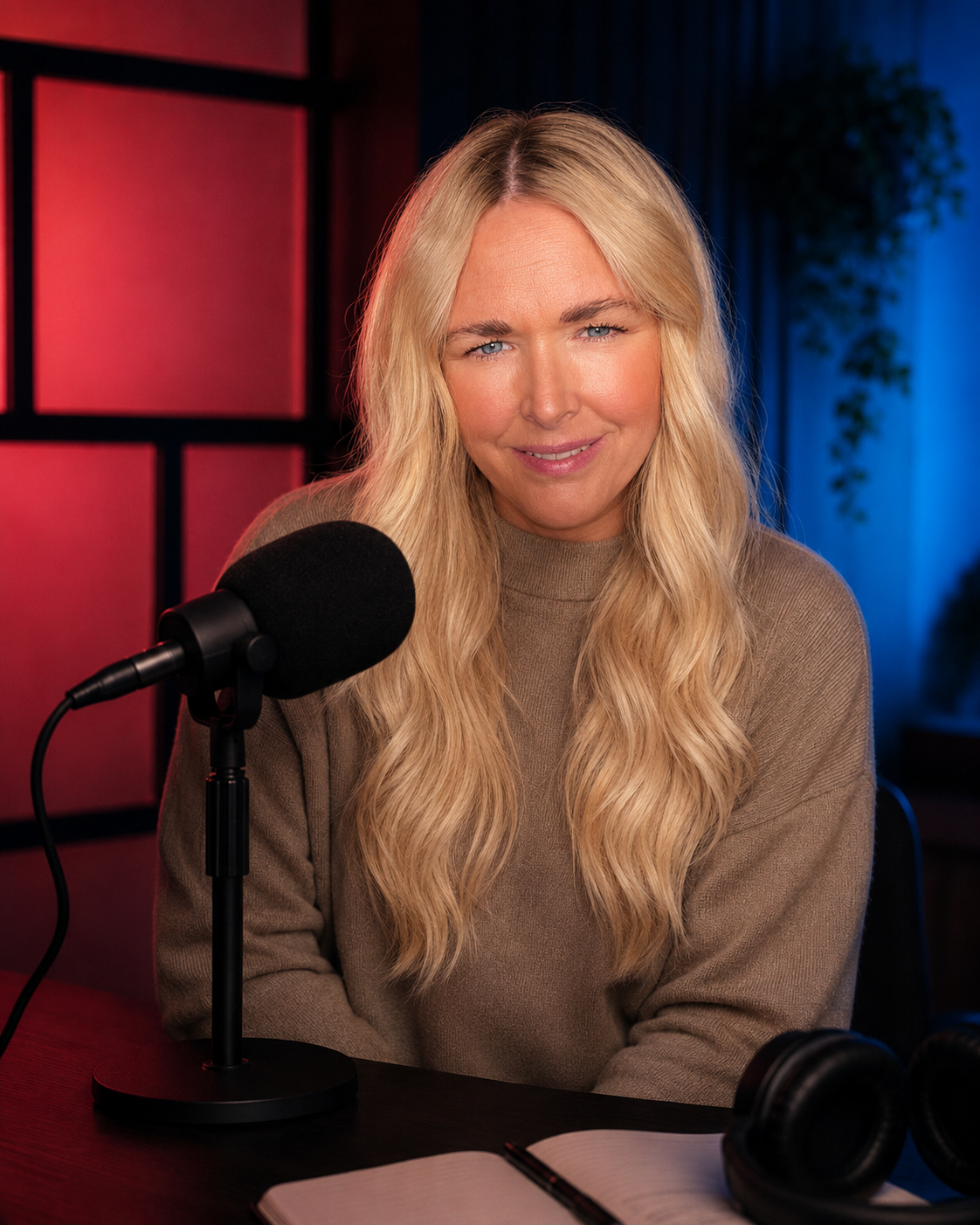
It was in finding the question I genuinely wanted to explore and understanding why that question mattered to the person listening. It was in taking a broad idea and shaping it into something with a beginning, a natural journey and somewhere meaningful to land. It was in writing the episode in a way that still sounded like me when I spoke the words aloud, rather than making it so polished that all of the life had been written out of it.
And with guest interviews, I found myself wanting to go much further than the biography.
Of course, I wanted to understand their work and what they had achieved, but I also wanted to understand the person. I wanted to know what they had already been asked, what stories had been repeated and what part of the conversation might still be waiting beneath the surface.
For me, guest research was never about proving to the guest how much I knew about them. It was about knowing enough that I could eventually put the preparation down and listen properly once the conversation began.
That has become such an important part of how I see podcasting.
A podcast can be technically perfect and still leave the listener feeling nothing. The sound can be beautiful. The video can look polished. The guest can have an incredible biography. But if the conversation never moves beyond the surface, the listener feels that too.
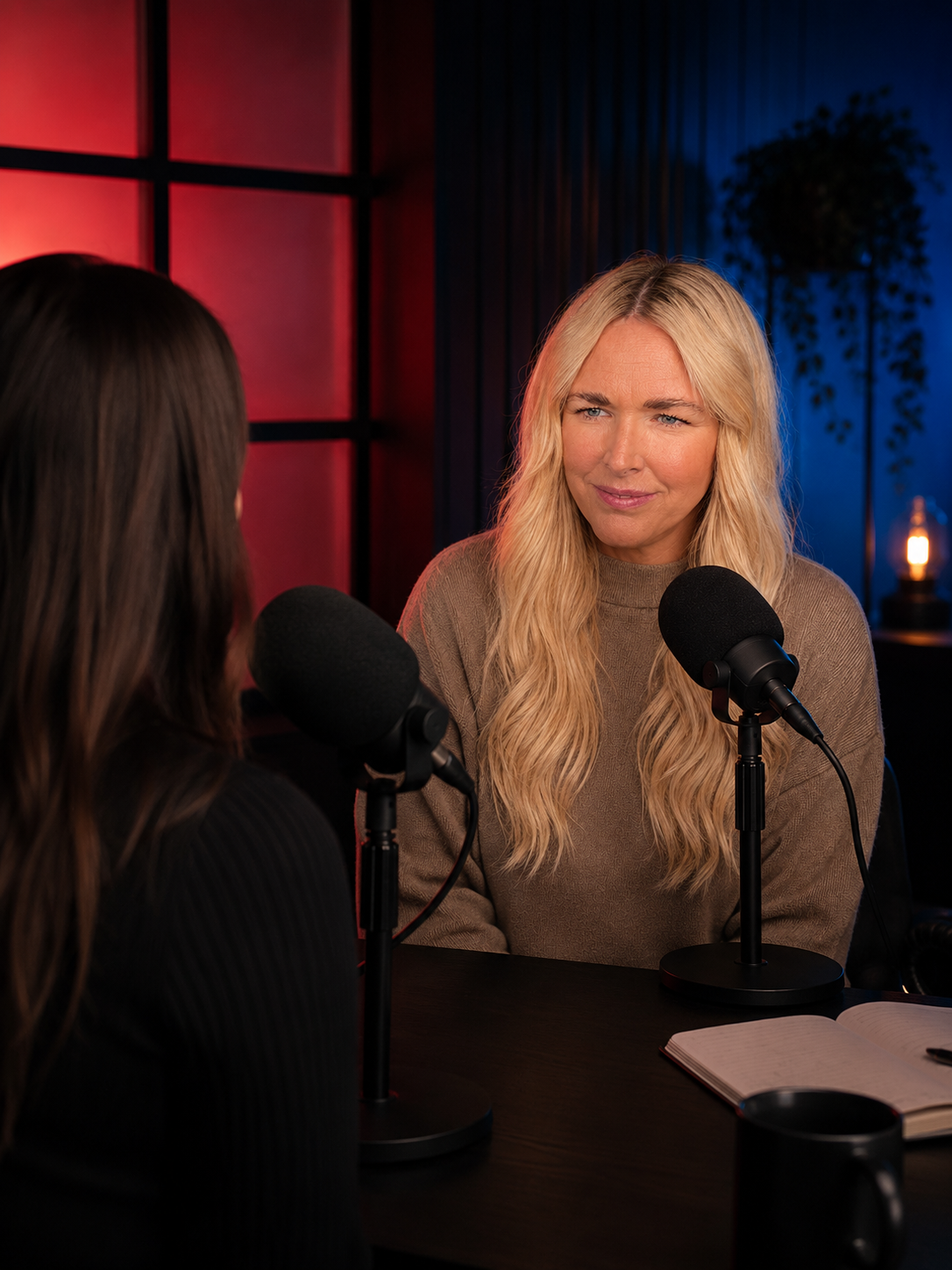
I believe the strongest podcast conversations are created in the space between the host, the guest and the listener.
The host brings their own curiosity, voice and perspective. The guest brings their experience, work and humanity. And the listener brings their own questions, emotions and reason for being there.
My work is really about helping those three come together.
That means understanding what the host genuinely wants to explore, seeing the guest as a human being rather than a list of achievements, and remembering the listener throughout the entire episode.
Why does this conversation matter to them? What are they hoping to understand? What might they recognise in the story? And what do we want them to carry with them after the episode ends?
Long before I began podcasting, my work had always centred around people.
I spent years teaching, leading teams, building businesses and mentoring others. Much of that work was about helping people understand not only what they were doing, but how to communicate it in a way that another person could actually receive.
For many years, I worked in education and leadership within the hair industry, teaching across Australia, New Zealand and Southeast Asia. I developed educators, trained teams and helped people find clearer ways of expressing what they knew.
Later, building and running my own businesses deepened that even further. It taught me a great deal about audience, messaging and the difference between having a strong idea and being able to bring that idea into a form that makes sense to someone else.
Alongside that, my work around grief, healing, consciousness and personal development taught me how to sit with much deeper conversations. It taught me how to listen without rushing, how to notice what sits beneath the obvious answer and how to give people enough space to find words for something they may feel deeply but cannot always express easily.
All of that now comes together in the way I support podcasters.
I do not believe you need to become louder, more polished or more performative in order to create a good podcast. You do not need to sound like another host, adopt someone else’s format or remove all of your warmth, humour and personality in the name of professionalism.
Your podcast should still sound like you.
That does not mean it should have no structure. It means the structure should support your voice rather than flatten it. The writing should help you communicate clearly without making you sound scripted. And the preparation should help you feel more present, not more controlled.
My role is not to replace your voice with mine. It is to help you hear what is strongest within your own voice and shape the episode around that.
I bring strategy, writing, research, emotional intelligence and human connection into my podcast development work.
Sometimes that means helping someone step back and understand the wider direction of their whole podcast. Sometimes it means taking one large idea and finding the question that turns it into an episode. Sometimes it is helping a host write a solo episode that feels structured but still natural. And sometimes it is researching a guest deeply enough to create a conversation that feels different from all the others they have already had.
I also help hosts become more confident in trusting themselves within the interview.
Not by giving them a rigid formula, but by helping them listen more closely, ask better follow-up questions and remain aware of both the guest and the listener as the conversation unfolds.
The technical side is there when it is needed, but it is not the heart of the work.
The heart is understanding what you are trying to say, who you are trying to reach and how to create something that feels worth staying with.
I am also very honest about what I can and cannot promise.

I am not here to tell you that your podcast will go viral, and I will never guarantee a particular number of downloads, subscribers or views. No honest podcast coach can promise that.
Of course, audience growth matters. We all want the work we create to reach people.
But I also believe there is a difference between being seen and being received.
You can have hundreds of people click on an episode and leave within a few minutes. Or you can have a smaller number of listeners who stay, connect, reflect and begin to trust the voice behind the podcast.
My focus is on helping you create the strongest podcast you can. One with clarity, one that understands its listener, one that still sounds like you, and one where the conversation feels intentional rather than created simply because another episode is due.
I work with thoughtful, purpose-led people who have something meaningful they want to communicate.
You may be a coach, author, speaker, therapist, practitioner, founder, educator or small-business owner. You may have a body of work you want to share more deeply, or lived experience that could help someone else feel less alone.
You may already host a podcast but feel that the episodes need more direction. Or perhaps the idea is still sitting with you and has not yet found its shape.
You do not need a huge audience. You do not need to be technically confident. And you certainly do not need to arrive with everything figured out.
We begin with what you have.
All of my podcast development coaching is held online, which means I work with creators around the world.
Some people come to me with one specific episode. Others need support finding the wider direction of the podcast. Some want help preparing for an important guest, while others want someone beside them each month as the podcast continues to grow.
The work can be shaped around what you genuinely need.
Create a Podcast That Still Feels Like You
You do not need to become louder, more polished or more like somebody else behind the microphone.
You need enough clarity and structure to communicate what you genuinely want to say, while still sounding like yourself when you say it.